
Forklift Hydraulic Cylinder — OEM-Grade Lift, Tilt & Steering Cylinders
Welded and tie-rod hydraulic cylinders rated to 3000 PSI — engineered for tractors, harvesters, loaders, and precision farm implements. ISO-certified quality, stocked in Canada for fast North American delivery.
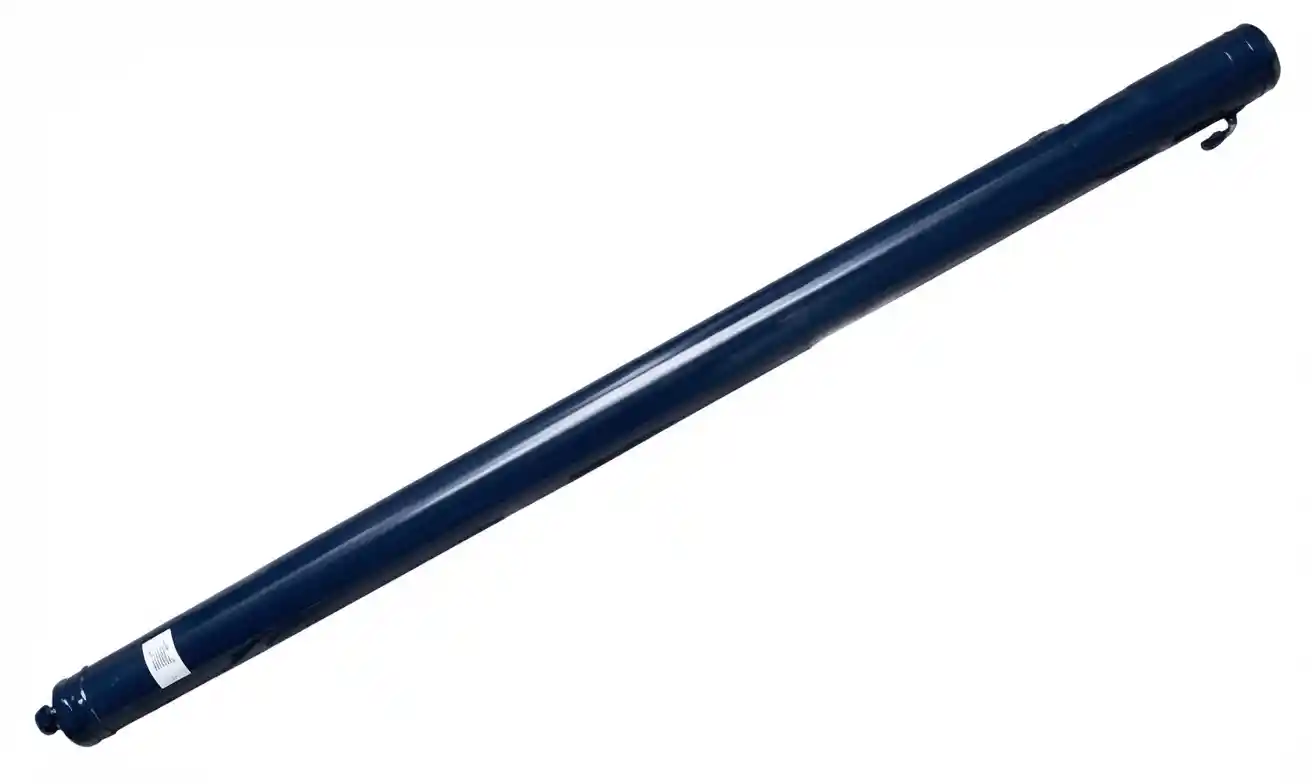
—— Technical Overview
What Is a Forklift Hydraulic Cylinder?
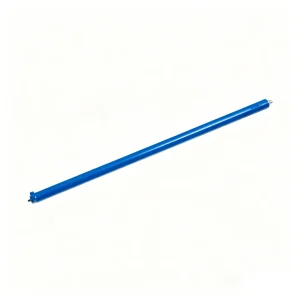
Aforklift hydraulic cylinder is a linear actuator that converts hydraulic fluid pressure into mechanical force and motion. It is the core component responsible for raising and lowering the mast (lift cylinder), tilting the carriage forward and backward (tilt cylinder), and steering the rear wheels (steering cylinder). Without properly functioning hydraulic cylinders, a forklift cannot perform its fundamental material handling tasks.
The operating principle follows Pascal’s Law: pressurized hydraulic fluid from the pump enters the cylinder barrel and pushes against a piston, driving the piston rod outward. In a single-acting cylinder — typically used for the lift function — fluid pressure extends the rod, and the load’s weight retracts it. In a double-acting cylinder — used for tilt and steering — fluid is directed to both sides of the piston, allowing controlled movement in both directions.
Modern forklift hydraulic cylinders are built from seamless honed steel tubing (barrel), hard chrome-plated steel rods, precision-machined pistons, and engineered polymer seals. The quality of these components directly determines the cylinder’s load capacity, service life, leak resistance, and operational smoothness under daily warehouse or industrial conditions.
⚙️How Force Is Calculated
The output force of a forklift hydraulic cylinder is determined by:
Force (lbs) = Pressure (PSI) × Piston Area (in²)
Example: A cylinder with a 3″ bore at 2,500 PSI generates approximately 17,670 lbs of lifting force. Piston area = π × (1.5)² = 7.07 in².
Types of Forklift Hydraulic Cylinders
Every forklift relies on three primary hydraulic cylinder types working in concert. We manufacture all three to OEM specifications — or custom-engineered to your drawings.
Compatible Forklift Brands
We manufacture replacement and aftermarket forklift hydraulic cylinders compatible with all major forklift OEM brands. Order by OEM part number, by drawing, or by sending a sample cylinder.
Common Forklift Hydraulic Cylinder Problems & Solutions
Identifying hydraulic cylinder issues early prevents costly downtime and safety hazards. Here are the most frequent problems our customers encounter — and the recommended remedies.
Forklift Hydraulic Cylinder Maintenance Best Practices
Proactive maintenance extends cylinder life by 3–5×, reduces unplanned downtime, and keeps your fleet running safely. Incorporate these practices into your forklift maintenance schedule.
Daily Visual Inspection
Check chrome rods for pitting, rust, or leaks at seals. Look for fluid pooling beneath the forklift. Inspect hoses for cracking, swelling, or wear near fittings before each shift.
Monitor Fluid Condition
Check hydraulic fluid level weekly. Inspect color — milky fluid indicates water contamination; dark fluid signals overheating. Replace fluid at manufacturerintervals or every 2,000 operating hours.
Replace Filters on Schedule
Change the hydraulic filter every 2,000 hours or per the forklift manufacturer's schedule. Contaminated fluid is the leading cause of seal degradation and accelerated bore wear.
Test for Internal Leakage
Raise the forks to full height with rated load and measure drift over 10 minutes. Drift exceeding 50mm indicates internal seal bypass requiring cylinder rebuild or replacement.
Inspect Mounting Hardware
Check mounting pins, bushings, and clevises for excessive wear or play. Loose mounting causes misalignment, lateral rod loading, and premature seal failure.
Maintain Service Records
Log all inspections, fluid changes, seal replacements, and cylinder rebuilds. Complete records support warranty claims, OSHA compliance, and optimal replacement scheduling.
Forklift Hydraulic Cylinder FAQ
Answers to the most common technical and purchasing questions from our customers. Can't find your answer? Contact our engineering team directly.
What are the main types of forklift hydraulic cylinders?
The three main types are lift cylinders (single-acting, responsible for vertical mast movement), tilt cylinders (double-acting, control forward/backward mast tilt), and steering cylinders (double-acting, enable directional wheel movement). Some forklifts with low-clearance mast designs also use a fourth type — the free-lift cylinder — which allows the forks to rise before the outer mast channels extend.
How do I determine the correct bore size for my forklift hydraulic cylinder?
The correct bore size depends on the required lifting force and system operating pressure. Use the formula: Force = Pressure × Piston Area. For example, a 5-ton forklift at 2,500 PSI typically requires a bore diameter of 63–80mm. The most reliable method is to match the OEM specification by providing the forklift model, serial number, and cylinder part number. Our engineering team can help verify the correct size.
What is the typical operating pressure of a forklift hydraulic cylinder?
Most forklift hydraulic cylinders operate at 2,000–3,000 PSI (140–210 bar) for standard warehouse forklifts. Heavy-duty models with capacities above 10 tons may operate at 3,000–3,500 PSI. The cylinder’s rated working pressure should always exceed the system’s maximum operating pressure by a safety factor of at least 1.5×, as specified by the system’s pressure relief valve setting.
What are common signs of a failing forklift hydraulic cylinder?
Key warning signs include visible hydraulic fluid leaks around the rod seal or fittings, slow or jerky lifting/tilting motion, the forks drifting downward when holding a load (cylinder drift), excessive noise during operation, and visible damage such as rod scoring, pitting, or corrosion on the cylinder barrel. Any of these symptoms should be investigated immediately to prevent safety hazards and more expensive failures.
Can a forklift hydraulic cylinder be repaired or must it be replaced?
In most cases, forklift hydraulic cylinders can be rebuilt rather than replaced. A standard rebuild involves replacing seals, O-rings, and wear rings — this is cost-effective when the barrel and rod are in good condition. However, if the piston rod is deeply scored, bent, or the cylinder barrel is damaged, full replacement is recommended. Our team can evaluate your cylinder and recommend the most cost-effective approach.
What materials are forklift hydraulic cylinders made from?
The cylinder barrel is typically made from seamless honed steel tubing (SAE 1020/1045 or ST52). Piston rods use hard chrome-plated carbon steel (C45/CK45) or stainless steel for corrosion-resistant applications. Seals are engineered from polyurethane, nitrile rubber (NBR), or Viton depending on operating temperature and fluid compatibility. All materials are selected to match the specific operating environment.