
Industrial Sprockets
Precision-machined roller chain sprockets for every drive system — American ANSI, European ISO/BS, and Japanese JIS standards. From standard finished bore and taper-lock to corrosion-resistant stainless, engineered plastic, and heavy-duty conveyor designs.
Every Sprocket Configuration
Our catalogue covers the full range of roller chain sprocket configurations. Select a type below to jump to relevant products, or browse by series standard in the section below.
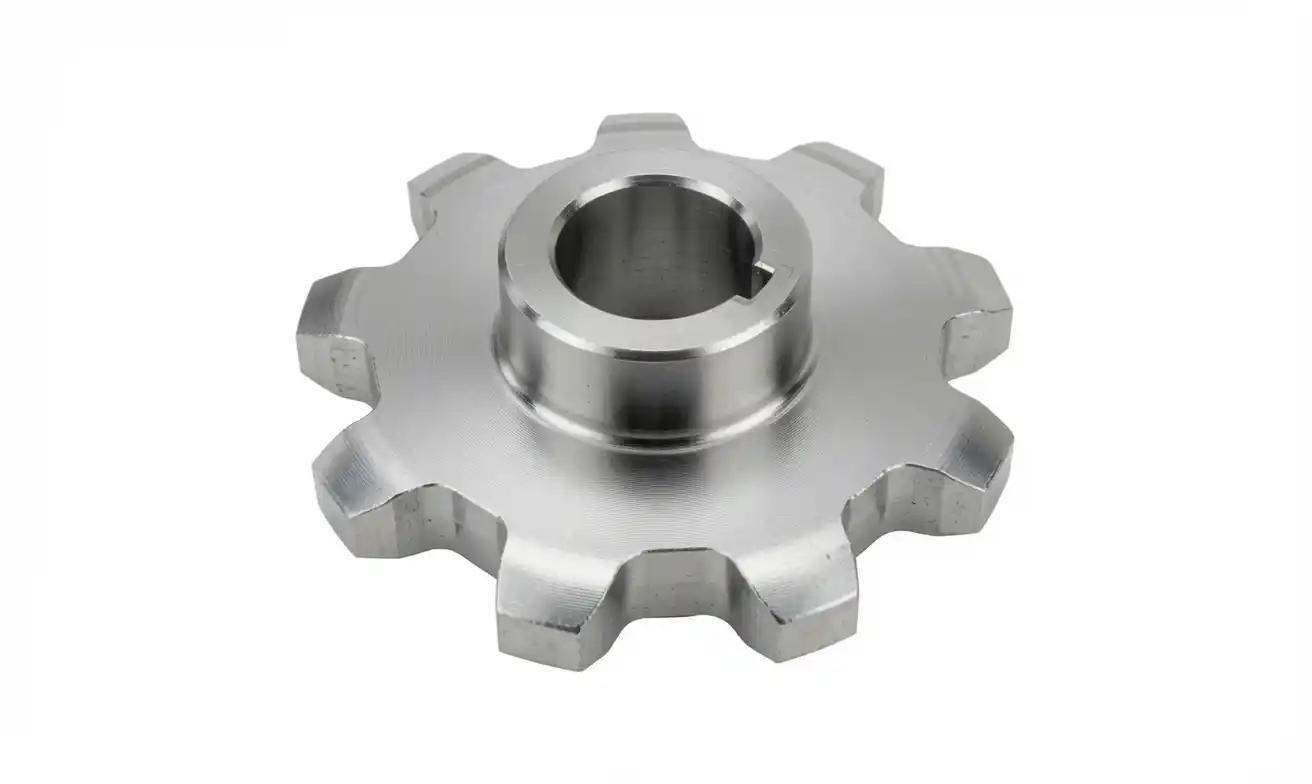
Agriculture Sprockets
High-durability sprockets engineered specifically for agricultural machinery. Built to perform reliably under harsh outdoor conditions, heavy dust, moisture, and high-impact loads.
View Agriculture Series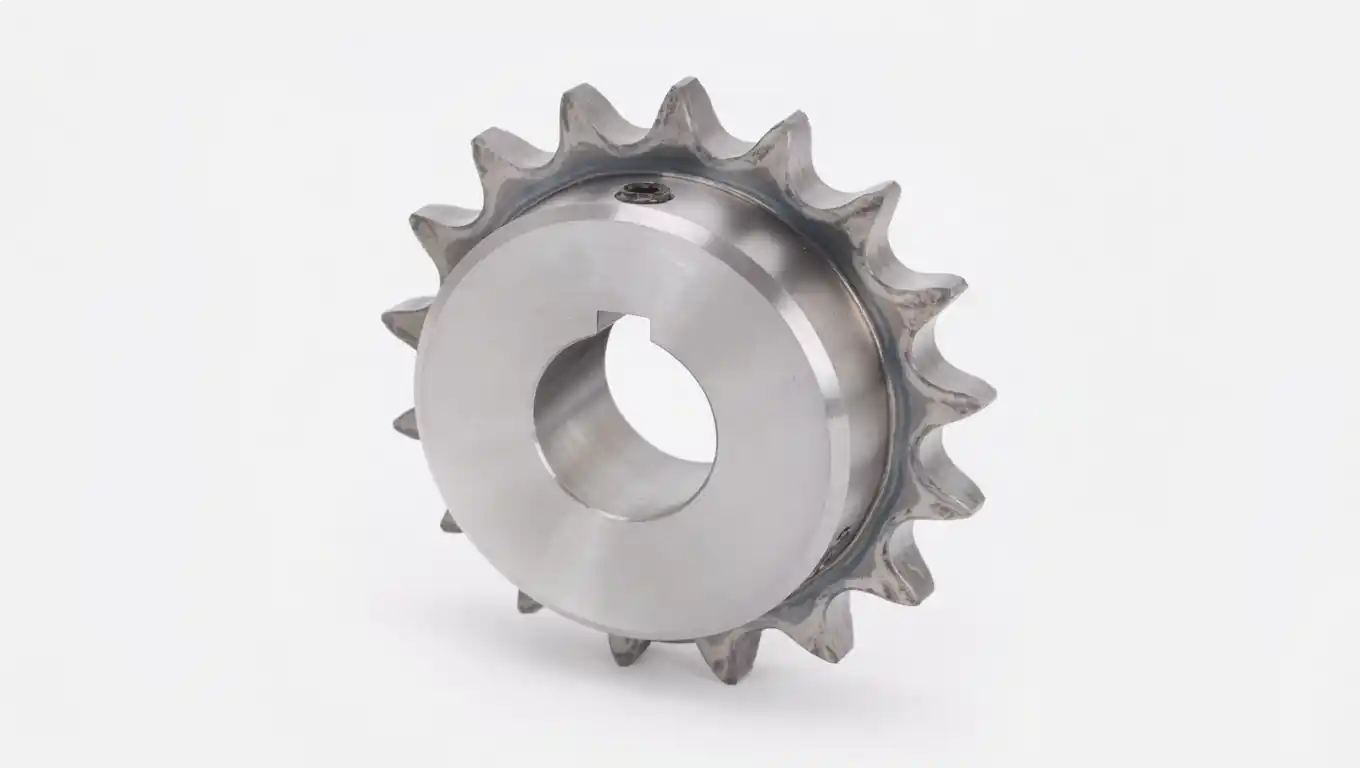
Finished Bore Sprockets
High-precision finished bore sprockets ready for immediate installation. Features precision-machined keyways and setscrews for reliable shaft attachment.
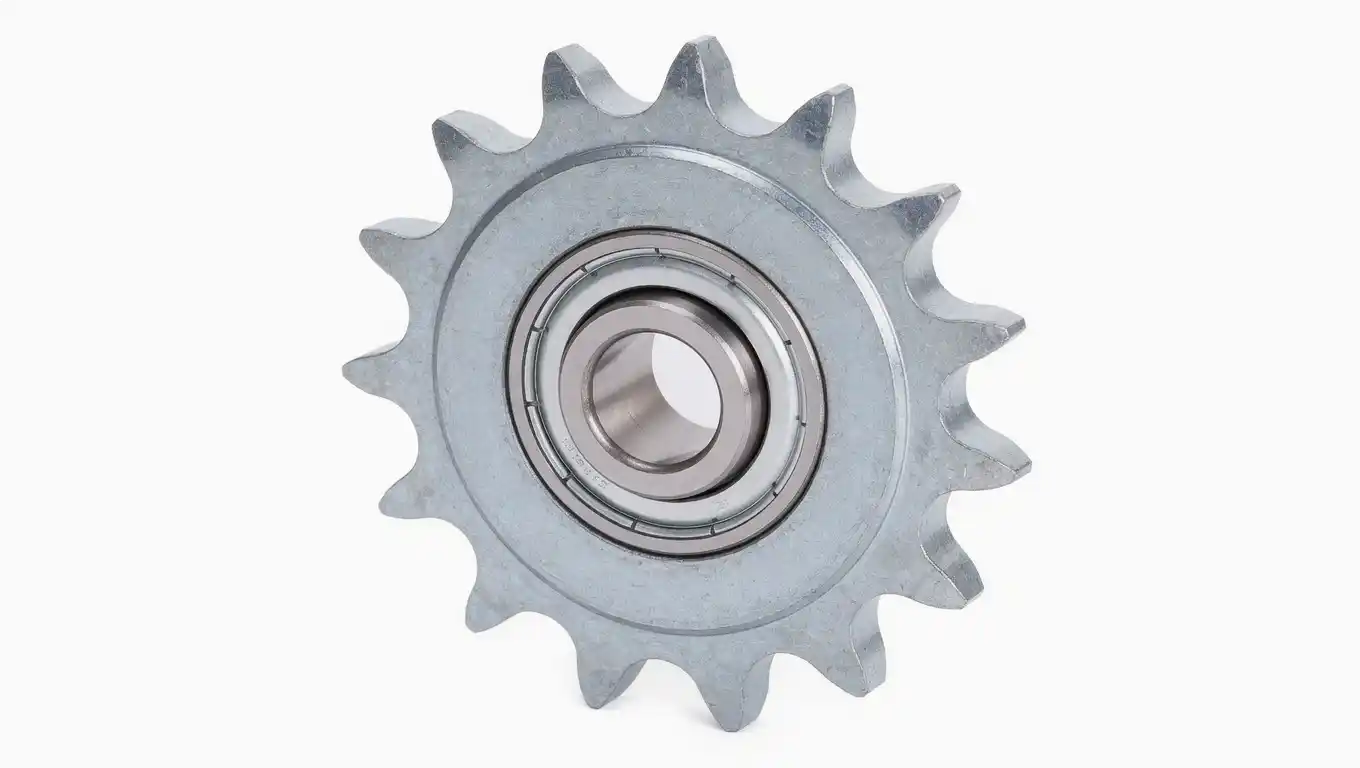
Idler Sprockets
Equipped with premium bearings to maintain proper chain tension, prevent chain whip, and ensure smooth power transmission in long-center drives.
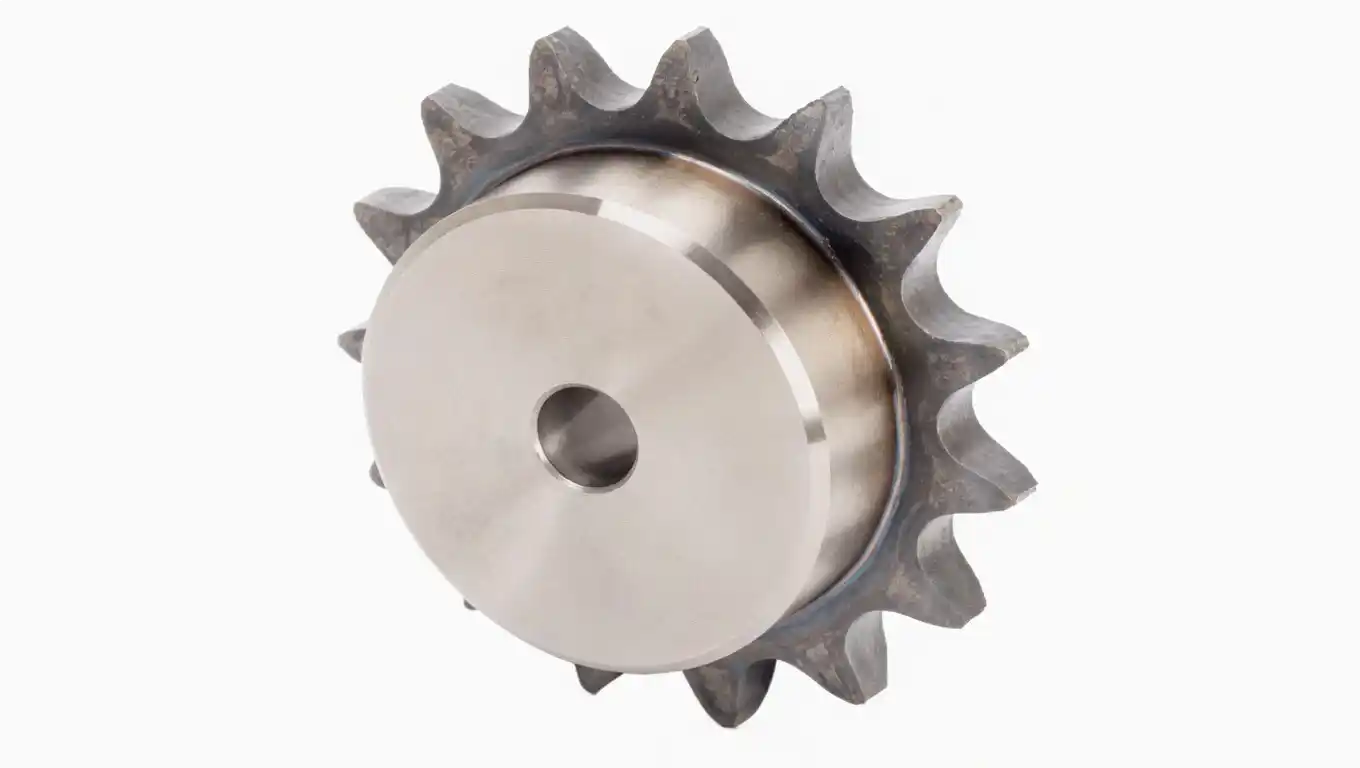
Standard Bore Sprockets
Stock minimum bore sprockets offering the flexibility to re-bore and customize according to specific industrial machinery shaft requirements.
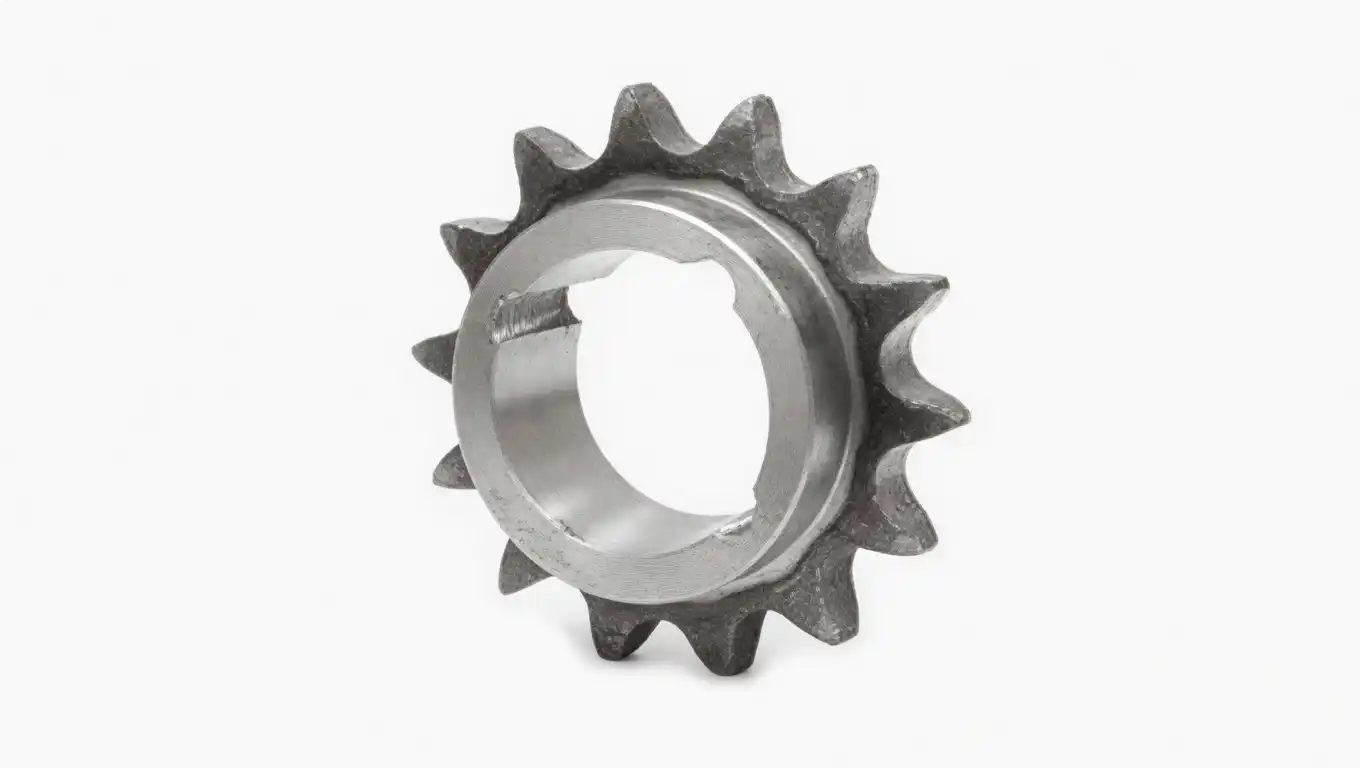
Bushed / Taper Lock Sprockets
Designed for use with split taper bushings to provide a secure, concentric grip on shafts, allowing for easy installation and removal.
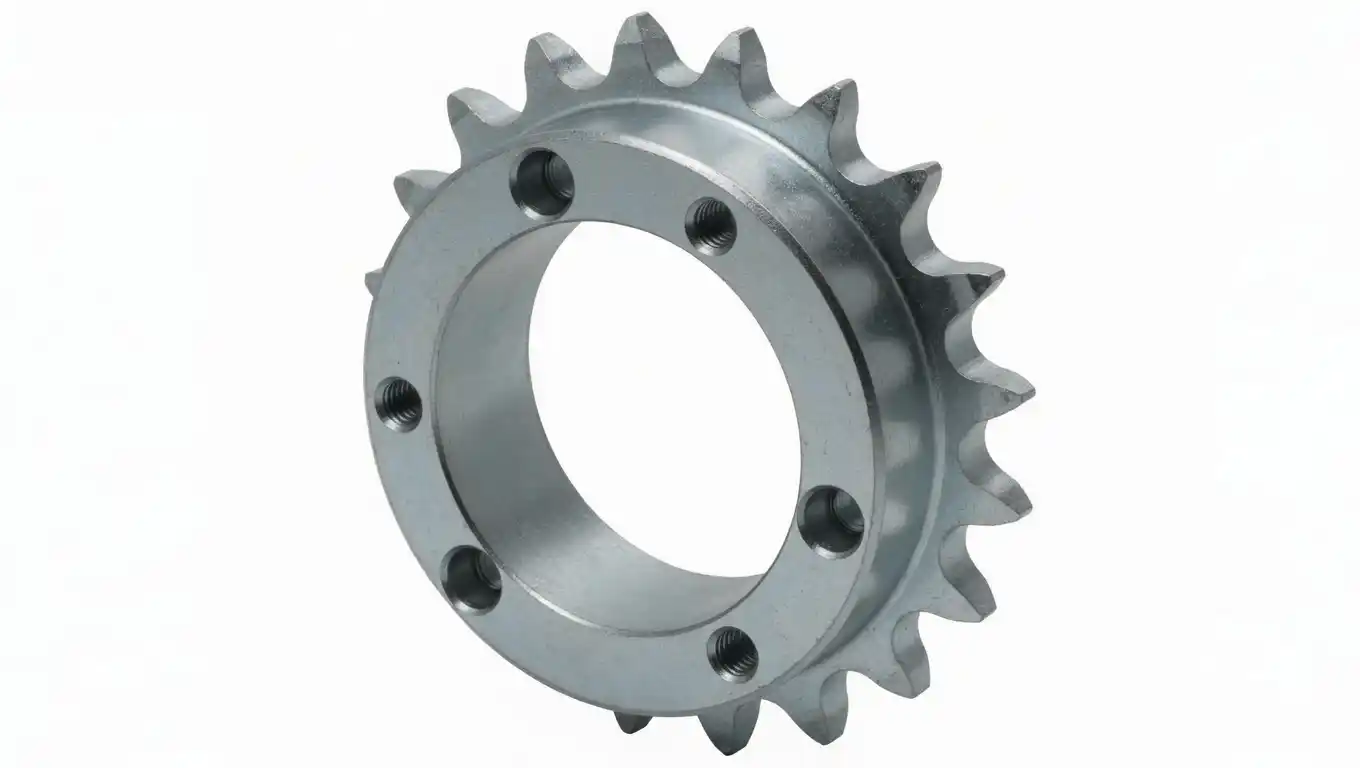
QD (Quick Detachable) Sprockets
Features a flanged design utilizing QD bushings for heavy-duty power transmission applications with superior holding power.
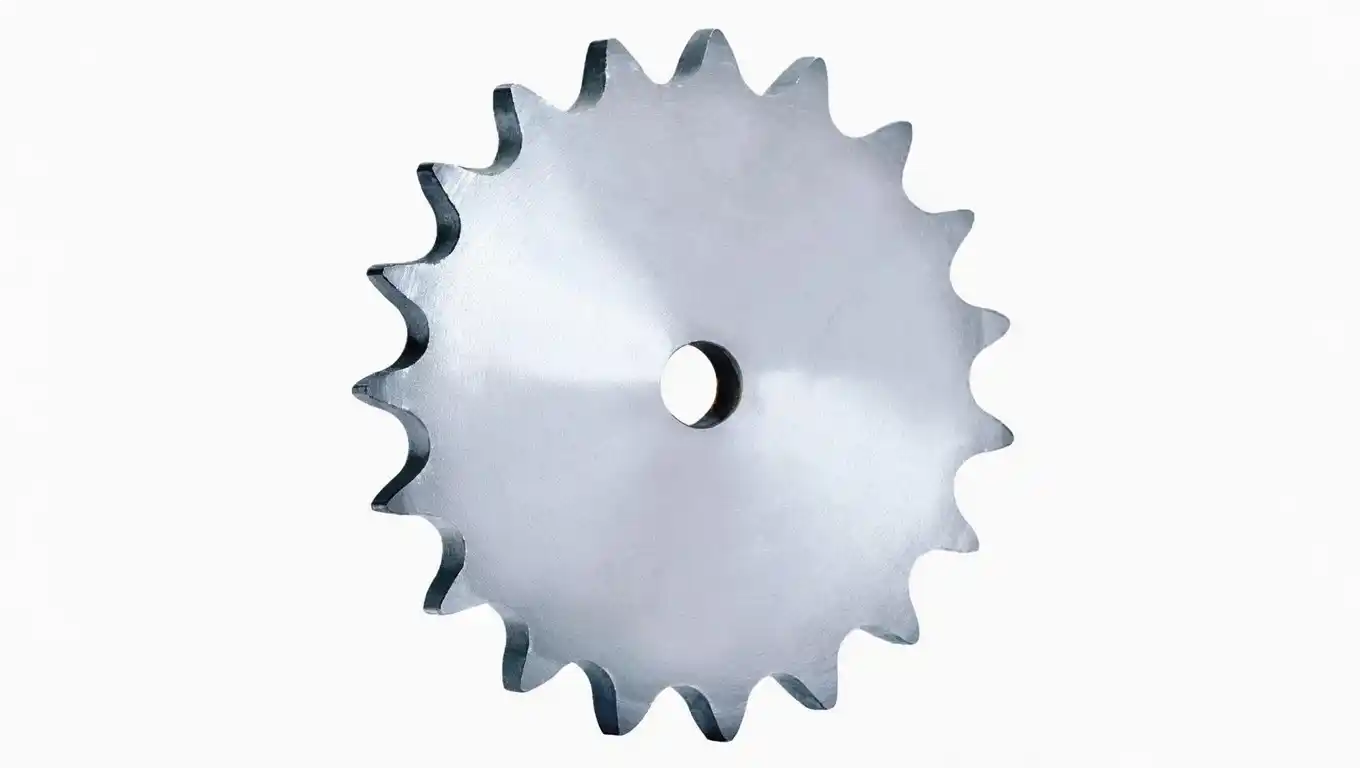
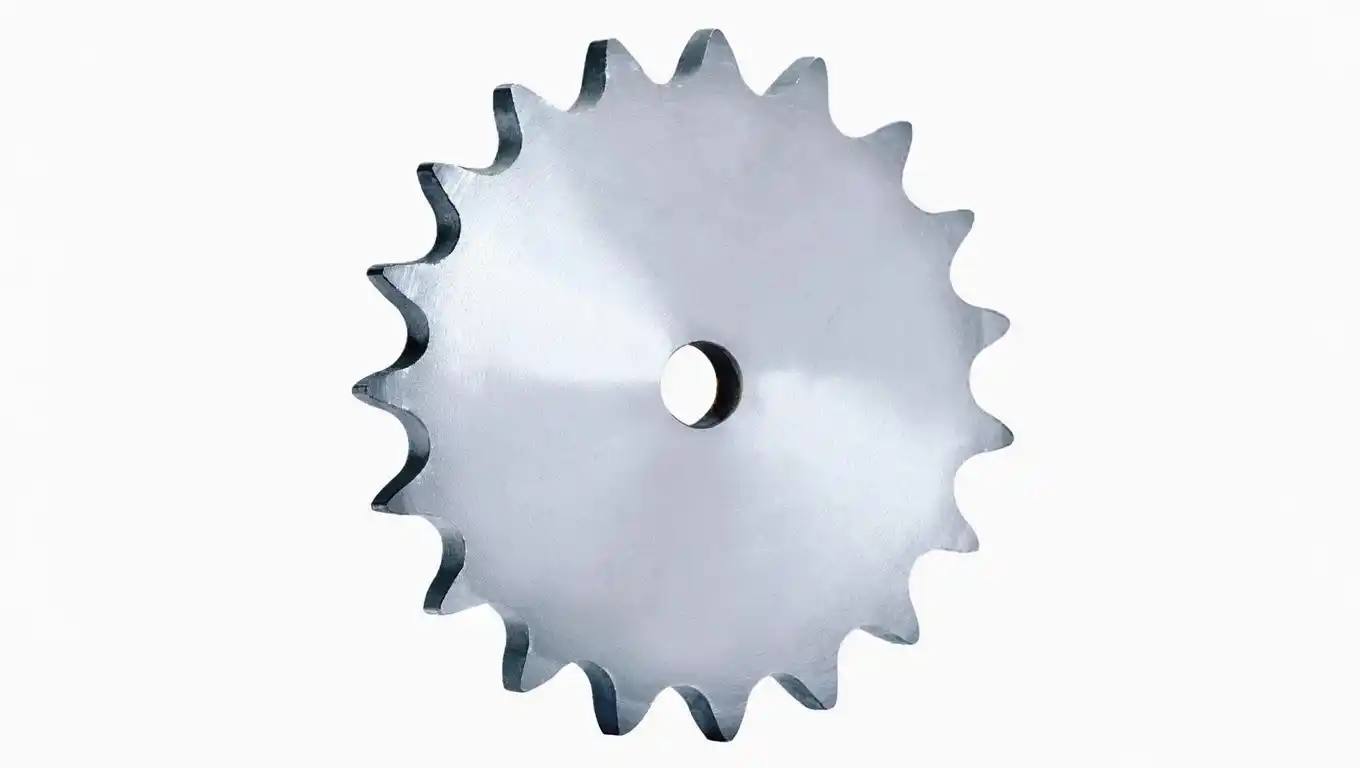
Plate Wheel Sprockets
Flat, hubless steel plate wheels ideal for compact drive configurations and specialized custom mounting assemblies.
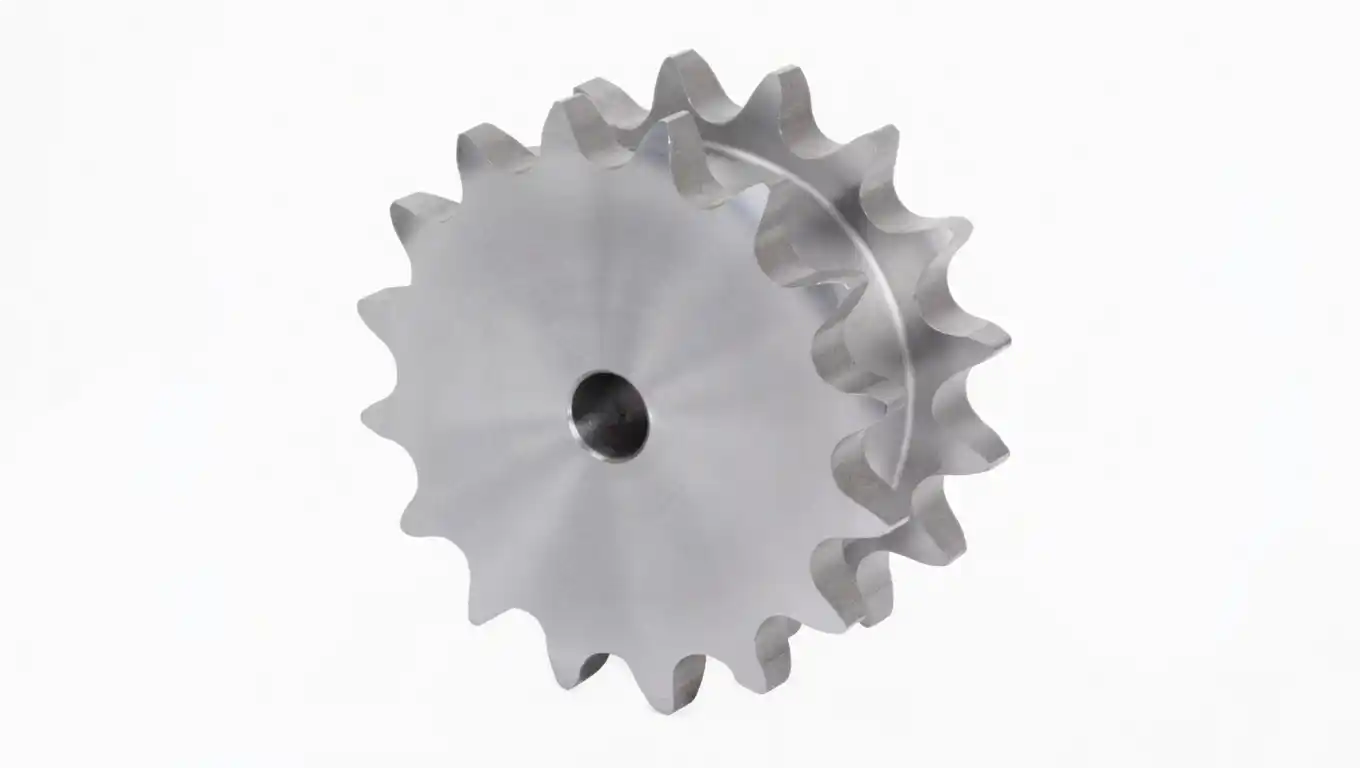
Double Pitch Sprockets
Perfectly engineered for double pitch conveyor and drive chains, reducing wear and extending operational life cycles.
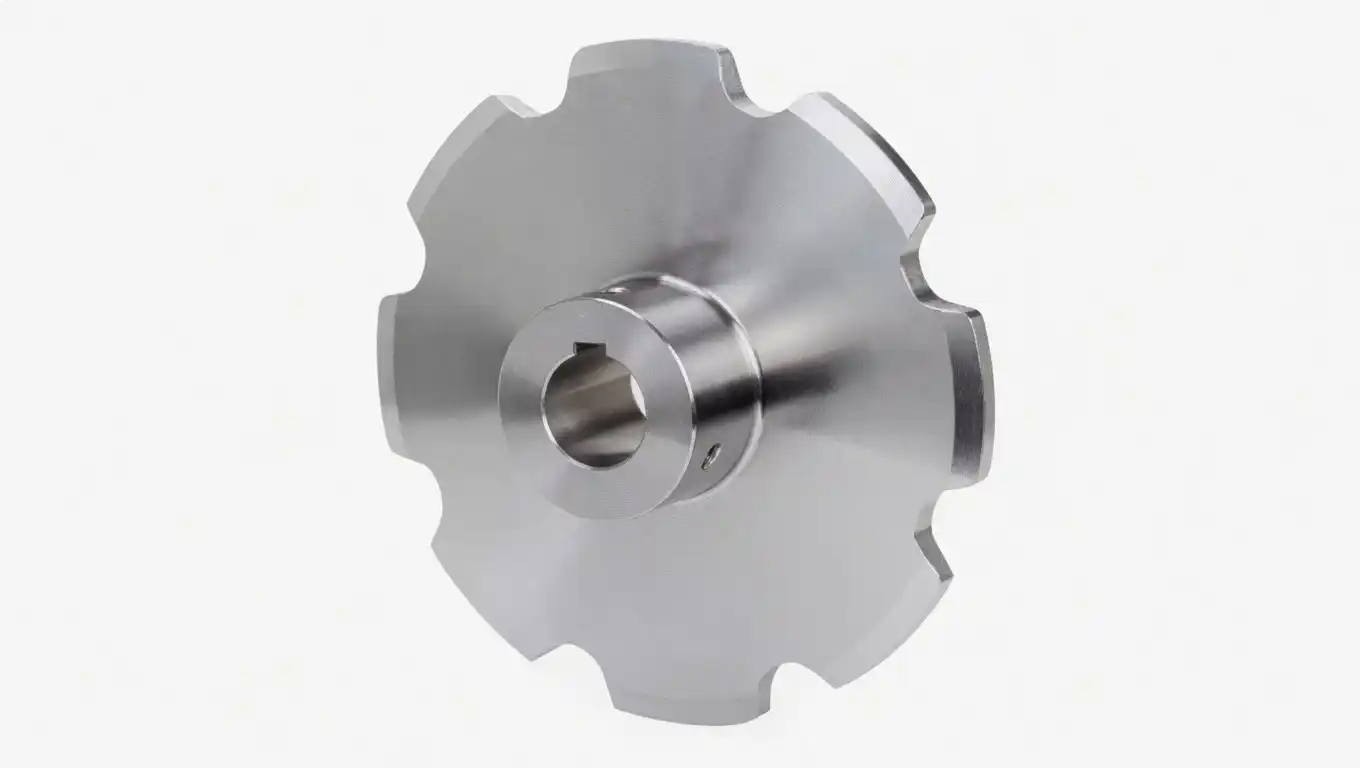
Conveyor Sprockets
Heavy-duty sprockets engineered specifically for material handling systems, assembly lines, and bulk conveying systems.
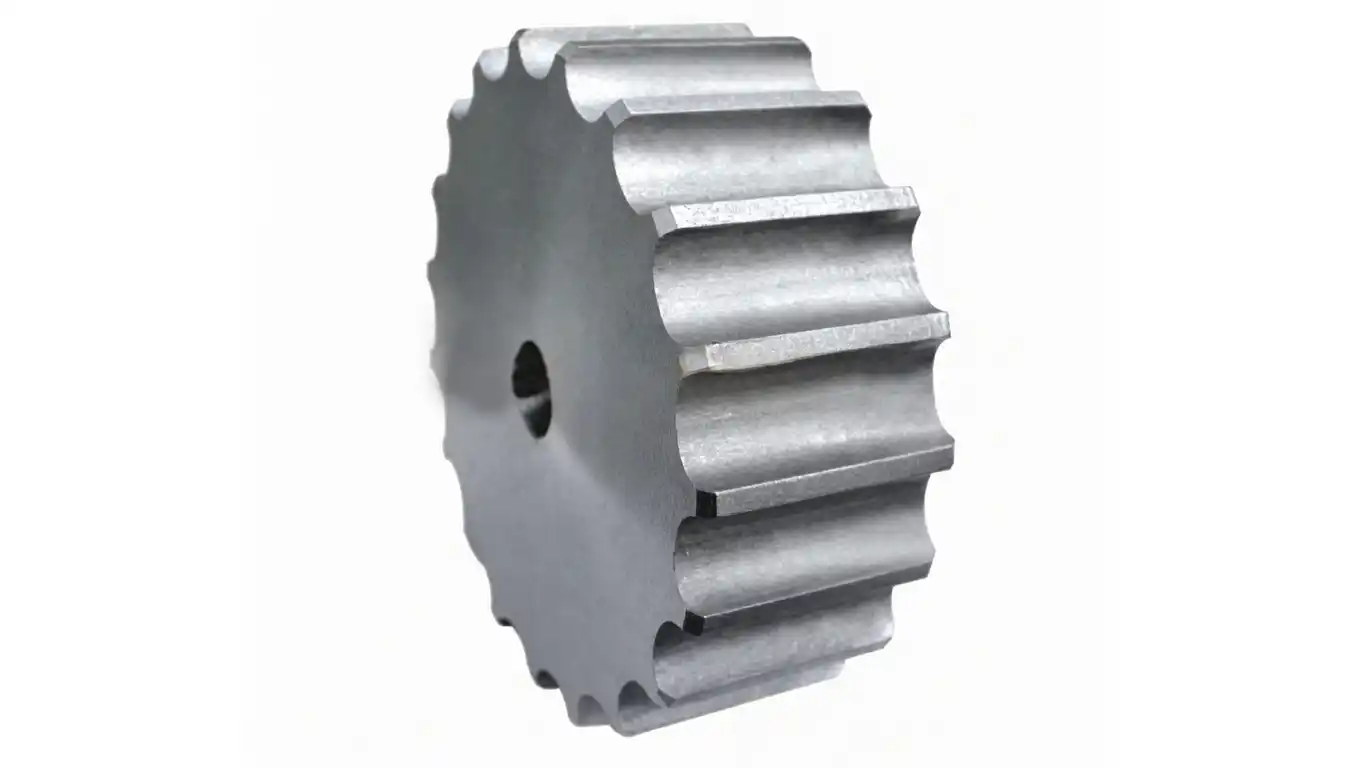
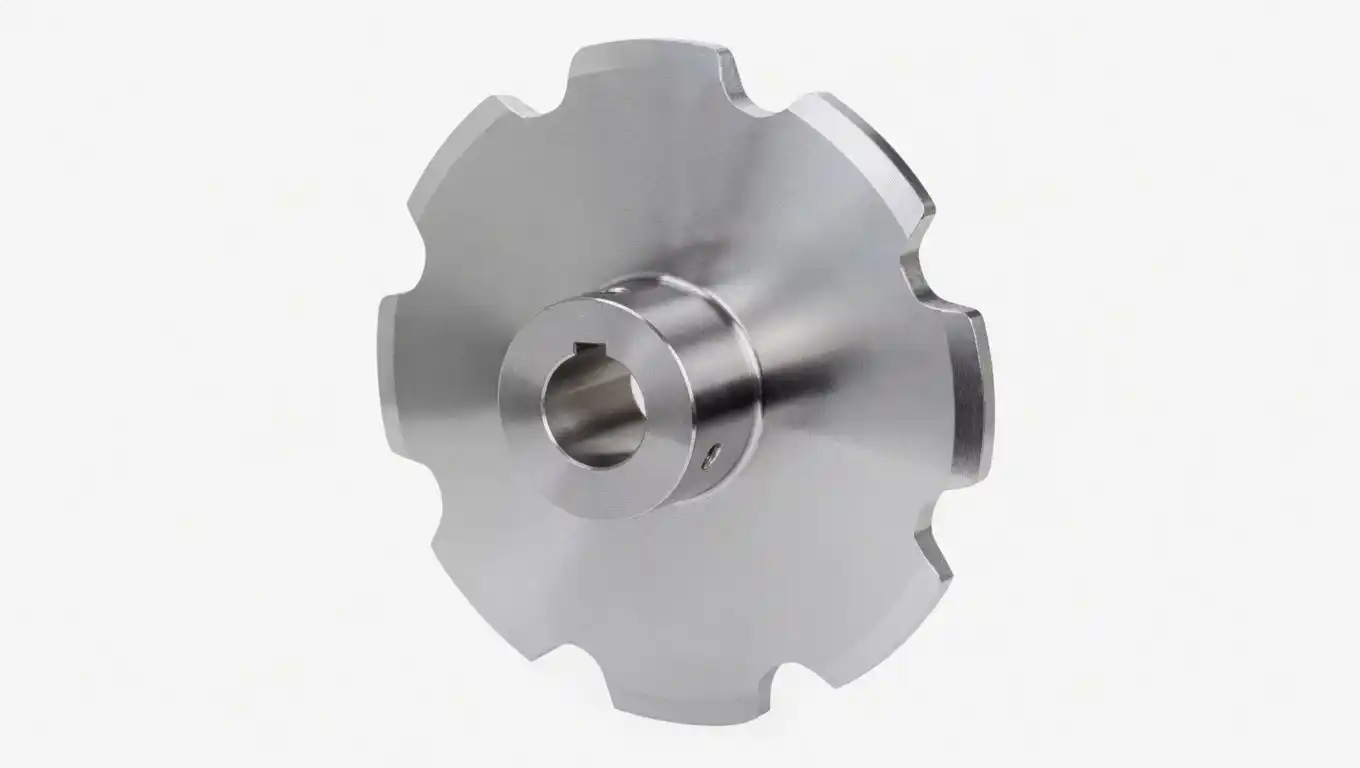
Flat Top Sprockets
Designed primarily for packaging lines, bottling, and food processing applications using flat-top modular conveyor chains.
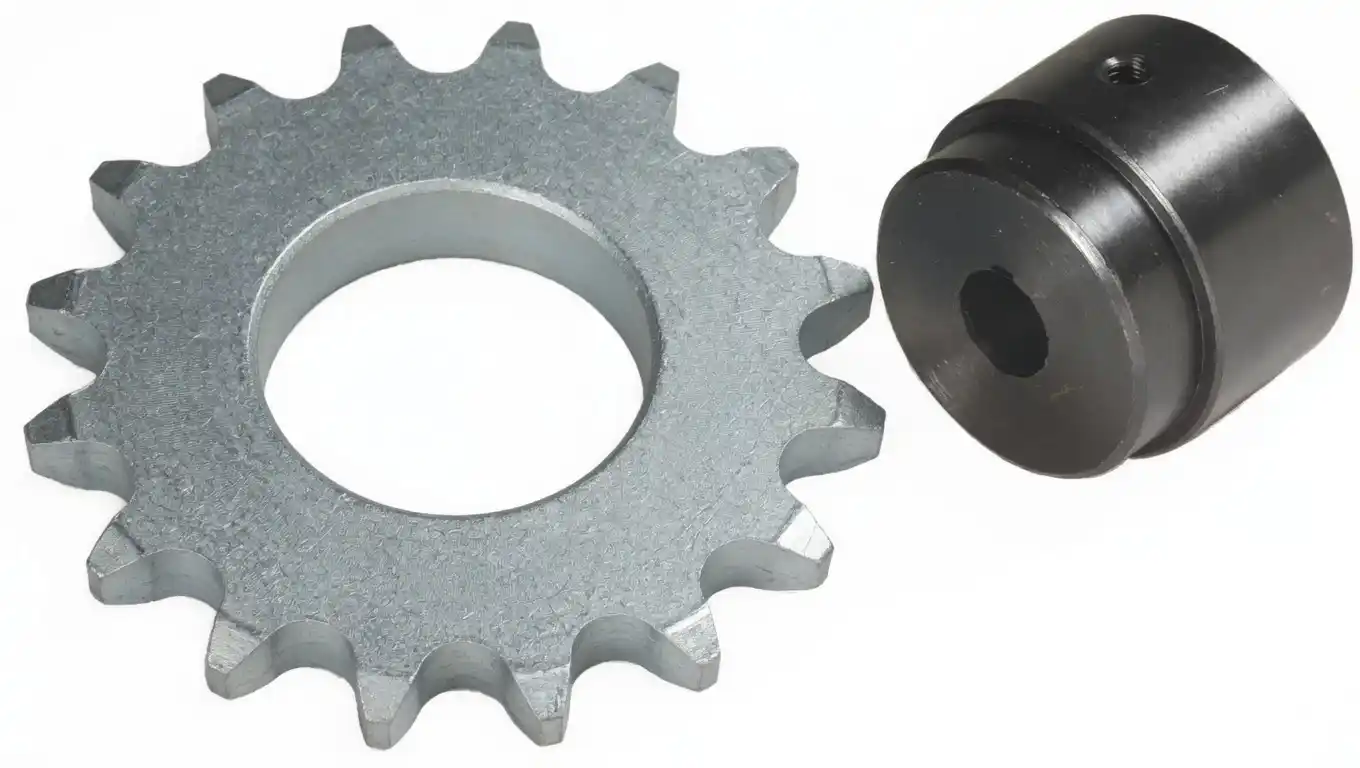
Weld on Hub Sprockets
Versatile component system allowing separate hubs to be permanently welded to steel sprocket plates to form rigid custom units.
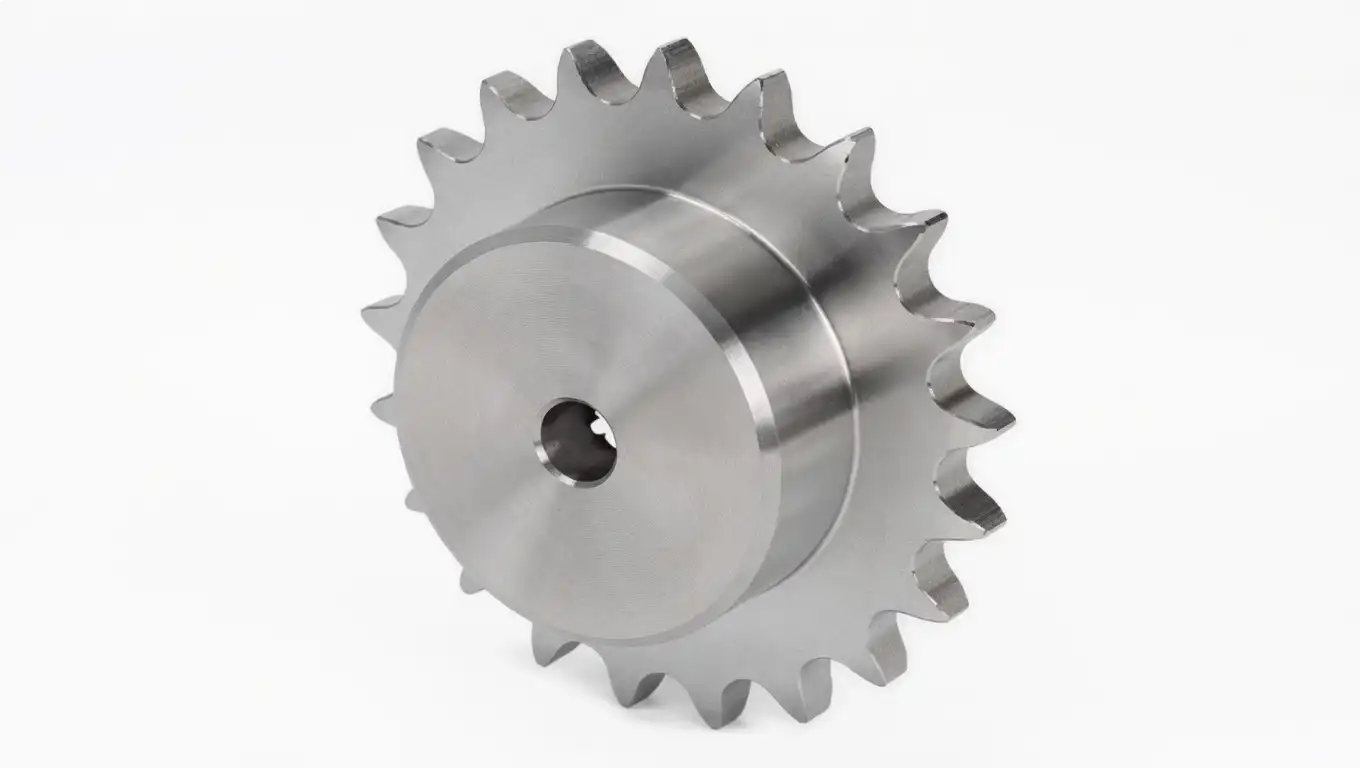
Stainless Steel Sprockets
Manufactured from premium grade stainless steel, ensuring ultimate corrosion resistance for sanitary, marine, or chemical environments.
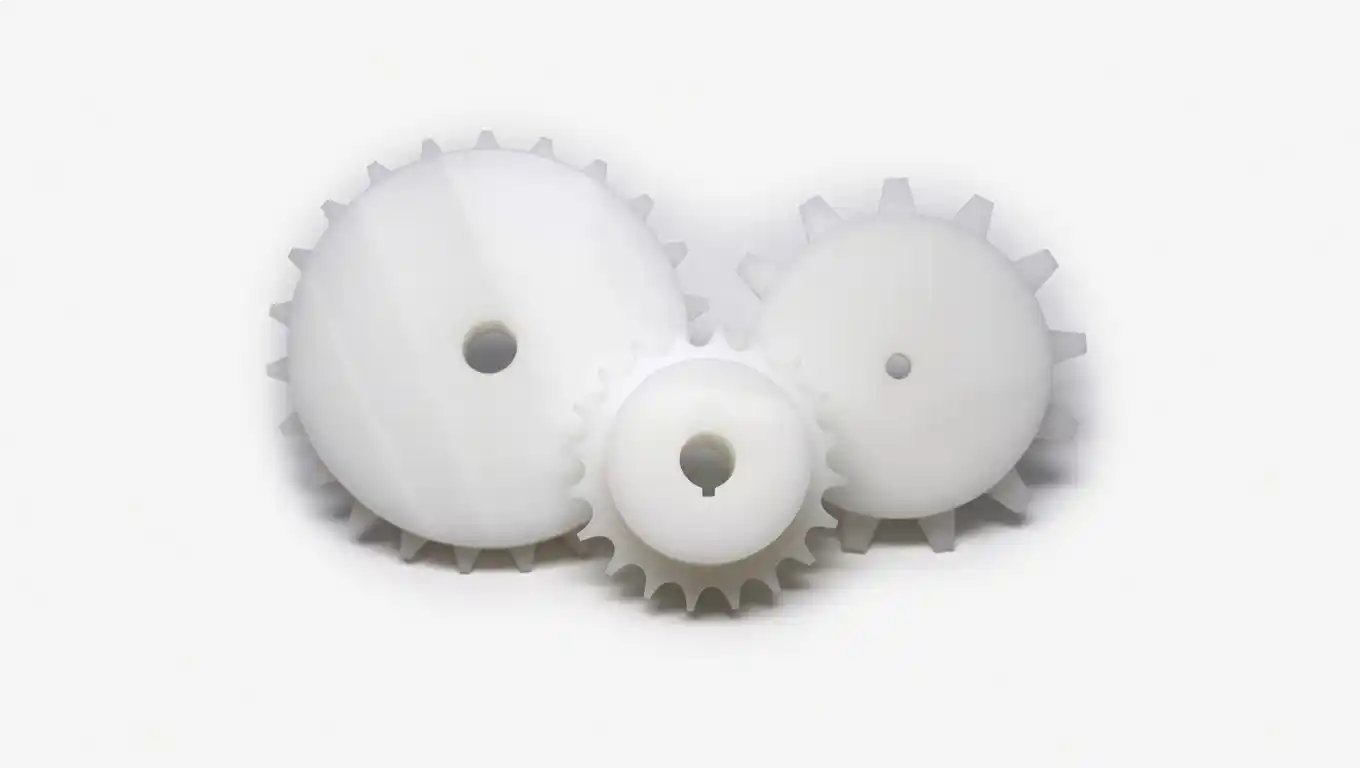
Plastic Sprockets
Lightweight, self-lubricating nylon or acetal sprockets providing quiet operation and excellent resistance to washdown environments.
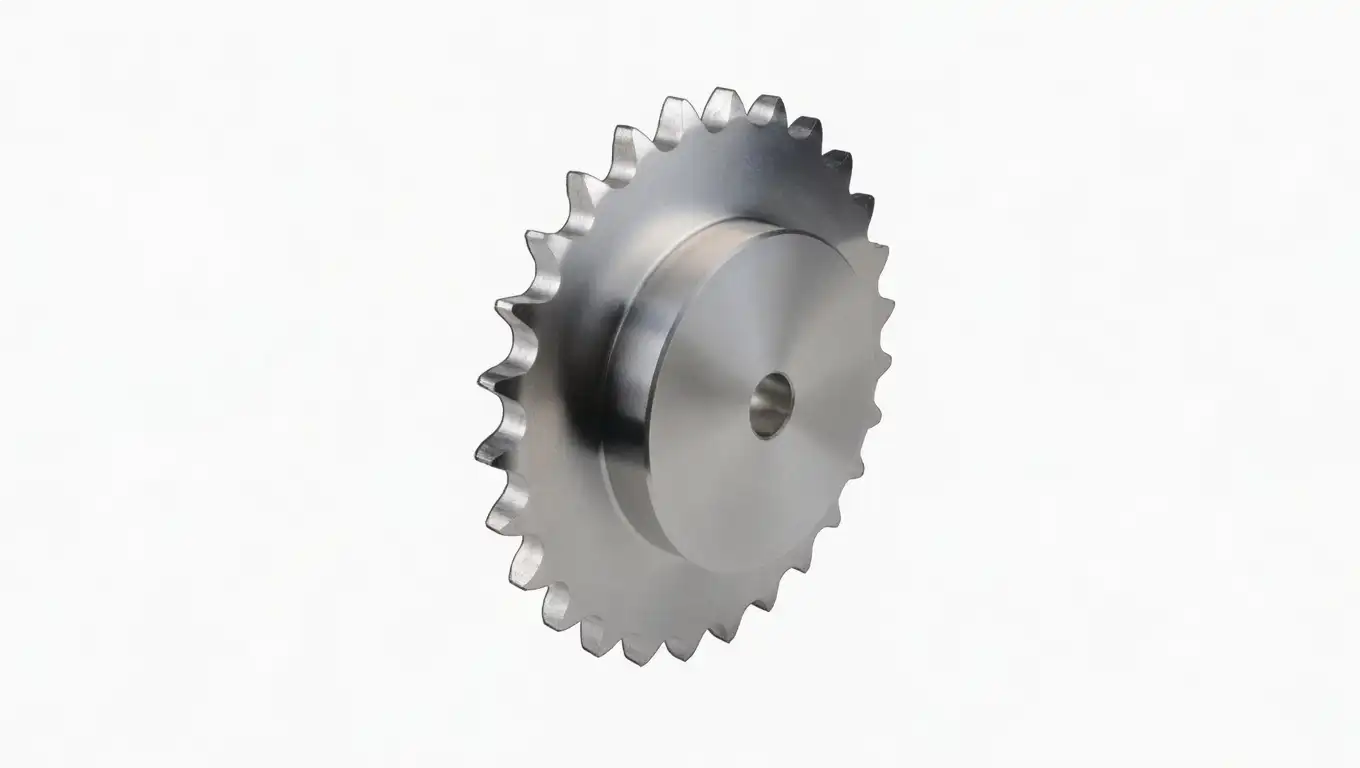
Steel Sprockets
High-carbon steel sprockets offering excellent strength and durability for standard industrial power transmission applications.
Standard Sprockets Series
Comprehensive standard-certified series strictly compliant with global manufacturing classifications (European, American, and Japanese standards).
① European Series Sprockets
- Standard Sprockets & Plate Wheels: P5, P6, 1/4X1/8, P8, 06B, 081-1, 083-1, 1/2X1/4(R7.75), 1/2X1/4(R8.51), 08B, 10B, 12B, 16B, 20B, 24B, 28B, 32B
- Plate Wheels for Conveyor Chains: P20, P30, P50, P75, P100
- Finished Bore Sprockets: 06B, 08B, 10B, 12B, 16B
- Taper Bore Sprockets: 06B, 08B, 10B, 12B, 16B, 20B
- Cast Iron Sprockets: 06B, 08B, 10B, 12B, 16B, 20B, 24B
- Other Subtypes: Stainless Steel Sprockets, Sprockets for 2 Single Roller Chains (SD Type), Idler Sprockets, Table Top Wheels
② American Series Sprockets
- Certified Series: ANSI-Certified Roller Chain Sprockets, Metric Roller Chain Sprockets, Engineer Class Sprockets
- Material Specialty: Stainless Steel Sprockets, Plastic Roller Chain Sprockets, Aluminum Roller Chain Sprockets, Double Pitch Sprockets Stainless Steel
- Functional Design: Double Pitch Sprockets, Single Double Sprockets, Idler Sprockets, Chain Coupling Sprockets, Taper Bore and QD Sprockets, Weld-on Hubs and Weld-on Sprockets
- Specialty Types: CC5A, CC5C, Drop Forged Rivetless Chain Sprockets
③ Japanese Series Sprockets
Sprocket Selection: What You Need to Know
What is a sprocket and how does it work?
A sprocket is a toothed wheel that meshes with the links of a roller chain to transmit rotary motion between two shafts. Unlike a gear (which meshes with another gear), a sprocket drives or is driven by a chain — enabling power transfer over longer distances and across non-parallel shaft arrangements. The tooth profile, pitch, and number of teeth must be precisely matched to the chain specification.
ANSI vs. ISO vs. JIS — which standard do I need?
The chain standard installed on your equipment determines which sprocket series you require. ANSI (American National Standards Institute, specification B29.1) dominates North American OEM machinery and is identified by number designations such as #40, #50, #60, and #80. ISO/DIN (European, per ISO 606 and DIN 8187/8188) uses B-suffix designations like 08B, 10B, and 16B — physically different from ANSI even at similar pitch values. JIS (Japanese Industrial Standard B1801) sprockets are required for Japanese-origin machinery and differ dimensionally from both ANSI and ISO series. Do not interchange sprockets across standards — mismatching a chain and sprocket pitch causes rapid wear and potential drive failure.
How to select the correct number of teeth
Chain drive design follows established guidelines: the drive (small) sprocket should typically have a minimum of 17 teeth for smooth, low-noise operation under standard loads. A speed ratio between small and large sprocket of no greater than 7:1 is recommended. Odd numbers of teeth on the drive sprocket, combined with an even number of chain links, distribute wear more evenly across all tooth and link positions, extending service life.
Bore type selection
- Finished bore — pre-machined to standard size, keyway and setscrew included. Fastest to install where shaft diameter matches stock bore.
- Pilot bore — supplied undersized for customer boring to exact shaft dimension. Best for non-standard shaft sizes.
- Taper lock / QD bushing — split-taper bushing clamps sprocket to shaft without keys. Allows repositioning and simplifies MRO replacement.
- Weld-on hub — permanently welded to shaft or drum. Used where conventional bore mounting is impractical.
Materials, Standards & Selection Guide
Use this reference to match material grade and configuration to your application requirements. Contact us for detailed dimensional tables and engineering drawings.
| MATERIAL / GRADE | APPLICABLE STANDARDS | TYPICAL APPLICATIONS | SURFACE TREATMENT | TEMPERATURE RANGE |
|---|---|---|---|---|
| C45 Carbon Steel | ANSI, ISO, JIS — all series | General industrial drives, OEM machinery, conveyors | Black oxide, zinc plated, or natural | -20°C to +250°C |
| Cast Iron GG25 | ISO/DIN, ANSI engineer class | Large-pitch, slow-speed, heavy-load drives; aggregate | Natural / painted | -10°C to +300°C |
| Stainless AISI 304 | ANSI, ISO, JIS — SUS grade | Food processing, light chemical, general washdown | Passivated | -40°C to +400°C |
| Stainless AISI 316 | ANSI, ISO, JIS — SUS grade | Marine, pharmaceutical, strong acid/alkali environments | Passivated / electropolished | -50°C to +450°C |
| Nylon PA66 | ANSI #35–#80 | Packaging, office equipment, light conveyors, quiet drives | Natural moulded | -30°C to +100°C |
| Aluminium 6061-T6 | ANSI series | Robotics, semiconductor, aerospace ground support | Anodised or natural | -50°C to +150°C |
| HG Hardened Steel | JIS HG-series | High-speed, high-load Japanese OEM drives requiring max tooth life | Induction hardened tooth flank (HRC 55–60) | -20°C to +200°C |
Industry Applications
Our sprocket inventory supports design engineers and MRO buyers across virtually every sector that uses roller chain drives.
Frequently Asked Questions
Quick answers from our technical team — for anything not covered, reach out directly.
What is an agricultural machinery hydraulic cylinder?
No. Even where pitch dimensions appear similar (e.g. ANSI #50 at 15.875 mm pitch vs. ISO 10B at 15.875 mm pitch), the roller diameter, inner plate height, and tooth profile are dimensionally different. Always match sprocket and chain from the same standard. Cross-standard use causes accelerated wear and failure.
What is the difference between welded and tie-rod hydraulic cylinders?
A double pitch sprocket is designed for chain with twice the standard roller spacing (e.g. 2×P chain). Double pitch chain is lighter and costs less per metre; double pitch sprockets can be smaller-diameter for the same tooth count. They are best suited to slow-speed, light-load conveyor applications where roller contact frequency is low enough to offset reduced chain strength.
What PSI rating do I need for my farm machinery?
Yes. For non-standard tooth counts, bore diameters, hub configurations, or special materials — including Duplex Stainless, Inconel, or HDPE — please contact [email protected] with your drawing or specification. EPG’s manufacturing facilities support both prototype and production-volume custom orders.
How do I maintain agricultural hydraulic cylinders?
A standard sprocket has a hub that extends axially beyond the tooth plate, providing a bore for shaft mounting. A plate wheel (or flat wheel) has no hub — the bore is contained within the tooth plate thickness. Plate wheels are used where axial space is extremely limited or where welding to a shaft is preferred. Both are dimensionally defined under the same ISO/DIN standards.
What is the minimum order quantity (MOQ) for B2B orders?
C45 carbon steel is correct for the majority of industrial applications. Specify stainless (SS 304 or 316) for food contact, marine, pharmaceutical, or washdown environments. Nylon PA66 suits low-load, quiet drives in packaging or office equipment. Cast iron provides superior vibration damping on large-pitch, slow drives. Aluminium reduces rotational inertia in high-acceleration or weight-sensitive applications.
Do you ship to the United States?
Many standard series are stocked in Richmond, BC for immediate dispatch. For less common sizes, series, or custom configurations, standard lead times range from 3–6 weeks. Email [email protected] with part numbers, quantities, and required delivery date for a formal quote and availability confirmation.