
Engineering Vehicles
Hydraulic Cylinders
Heavy Duty Hydraulic Cylinder Solutions for Construction
and Engineering Equipment
Heavy Load Capacity
Designed for demanding engineering applications
Reliable Performance
Stable operation in harsh environments
Custom Solutions
OEM & customized hydraulic cylinders available
Quality Manufacturing
Strict quality control and pressure testing
The Problem
Reliable Hydraulic Cylinders Designed for Demanding Engineering Applications
Engineering vehicles operate in conditions that push hydraulic systems to their limits. Procurement teams consistently report the same failure points — and the cost of downtime compounds every hour.
- Heavy continuous load cycles
- Harsh working environments
- Premature seal failure and leakage
- High unplanned maintenance costs
- Costly equipment downtime
- Non-standard dimensions, no OEM fit
The Metalite Solution
Every cylinder we manufacture addresses these failure points by design — not as afterthoughts.
- Precision CNC machining — bore tolerances held to ±0.01 mm for stable, consistent performance across the cylinder’s service life.
- High-strength steel alloys — cylinder tubes and rods selected for the working pressure and environmental conditions of each application.
- Advanced multi-lip sealing systems — compound seal configurations rated for high-cycle duty and extreme temperature ranges.
- OEM-matched custom designs — fully configurable bore, stroke, mounting, and port specification to match your existing equipment envelope.
Product Range
Engineering Vehicles Hydraulic Cylinder Solutions
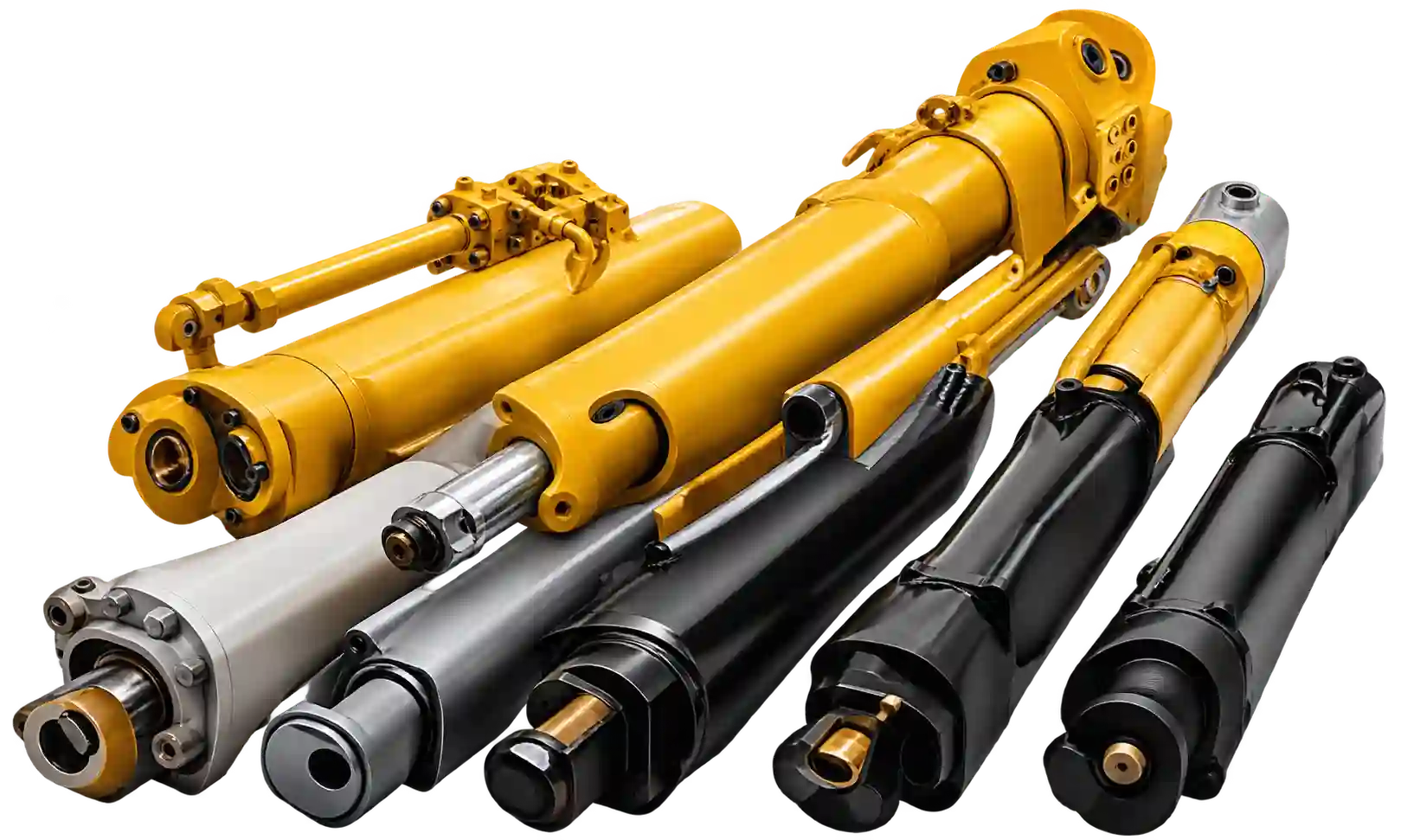
Our engineering vehicle hydraulic cylinder range covers construction machinery, mobile equipment, lifting equipment, and material handling vehicles — with standard and custom configurations available for each application.
Boom Lift Hydraulic Cylinder
Designed for aerial work platforms, articulating booms, and telescopic boom lifts requiring precise, stable extension at height.
Learn More →Crane Hydraulic Cylinder
Heavy load capacity cylinders for mobile cranes, truck-mounted cranes, and marine crane applications requiring rated load performance.
Learn More →Crawler Crane Hydraulic Cylinders
Engineered for the extreme duty cycles of crawler cranes — maximum structural integrity and seal durability under sustained high-pressure operation.
Learn More →Hook Lift Hydraulic Cylinder
High-force output cylinders for hook lift and skip loader trucks requiring repeatable, high-frequency loading and unloading cycles.
Learn More →Forklift Hydraulic Cylinder
Compact, high-cycle cylinders engineered for counterbalance forklifts, reach trucks, and warehouse material handling equipment.
Learn More →Where They Work
Hydraulic Cylinder Applications for Engineering Vehicles
Our hydraulic cylinders are widely used in various engineering vehicles and industrial equipment, providing reliable power and precise control in demanding working conditions.
Construction Machinery
Excavators, backhoes, bulldozers, and graders depend on high-pressure cylinders for arm, bucket, and blade actuation across demanding site conditions.
Cranes
Mobile, crawler, and truck-mounted cranes require cylinders rated for heavy sustained loads with reliable cushioning for smooth load control.
Boom Lifts
Aerial work platforms and articulating booms need cylinders delivering stable, smooth extension under load at elevation — with zero tolerance for drift.
Forklifts
High-cycle lift and tilt cylinders for counterbalance forklifts and reach trucks, with compact dimensions matched to OEM equipment envelopes.
Mining Equipment
Dump trucks, loaders, and drill rigs operating in mining environments require cylinders built for extreme shock loads and abrasive contamination.
Material Handling Equipment
Conveyor tilting systems, dock levelers, industrial presses, and heavy-duty handling machinery rely on repeatable force and precise positioning.
Construction Machinery
Excavators, backhoes, bulldozers, and graders depend on high-pressure cylinders for arm, bucket, and blade actuation across demanding site conditions.
Cranes
Mobile, crawler, and truck-mounted cranes require cylinders rated for heavy sustained loads with reliable cushioning for smooth load control.
Boom Lifts
Aerial work platforms and articulating booms need cylinders delivering stable, smooth extension under load at elevation — with zero tolerance for drift.
Forklifts
High-cycle lift and tilt cylinders for counterbalance forklifts and reach trucks, with compact dimensions matched to OEM equipment envelopes.
Mining Equipment
Dump trucks, loaders, and drill rigs operating in mining environments require cylinders built for extreme shock loads and abrasive contamination.
Material Handling Equipment
Conveyor tilting systems, dock levelers, industrial presses, and heavy-duty handling machinery rely on repeatable force and precise positioning.
Manufacturing Capability
Engineering Experience & Hydraulic Manufacturing Capability
Technical Specification
Why Choose Our Engineering Vehicle Hydraulic Cylinders
| Feature | Specification | Operational Benefit |
|---|---|---|
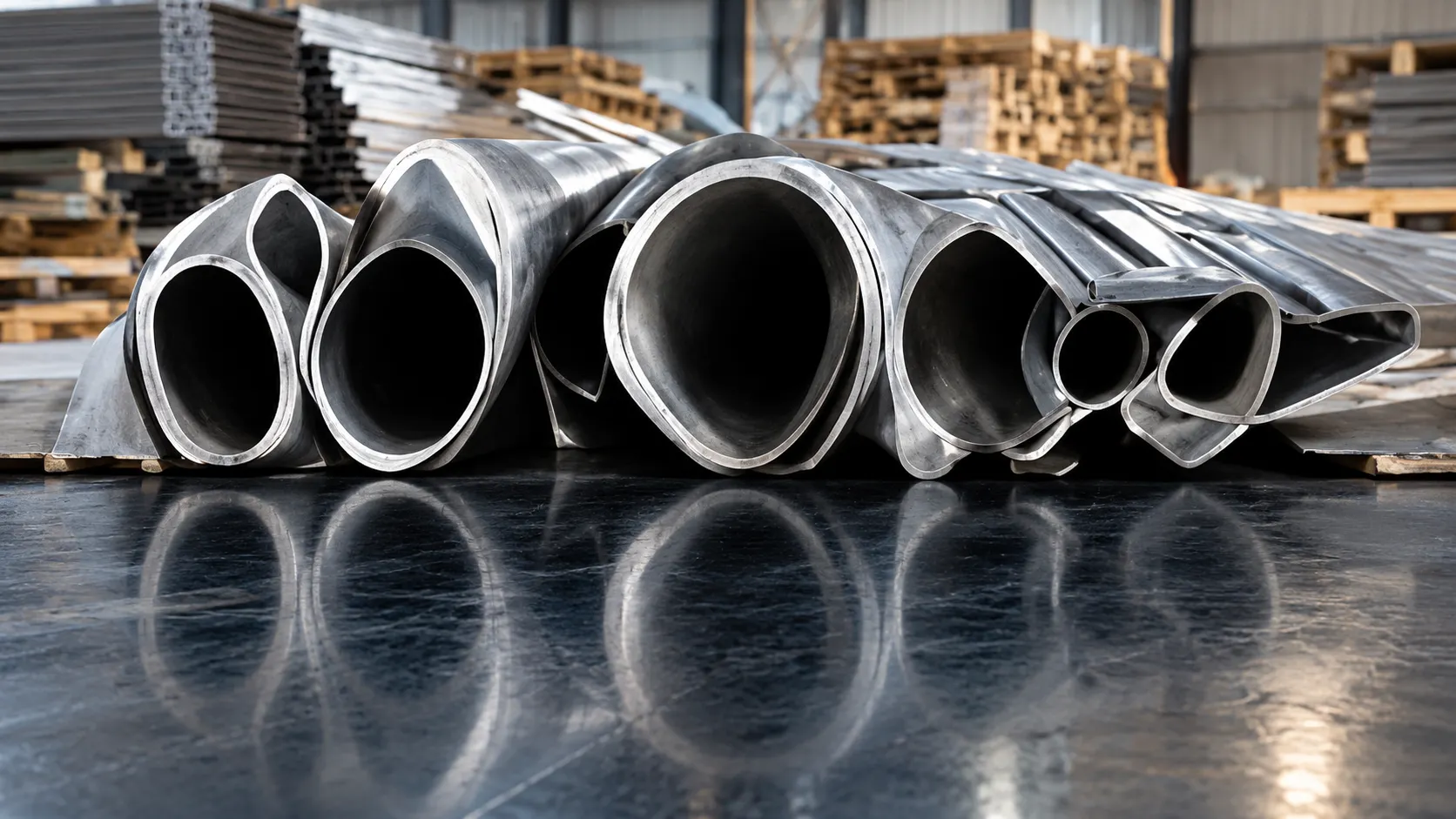
| High-strength alloy steel | ST52, 27SiMn, 45# seamless tube; C45/42CrMo rod | Improved resistance to fatigue failure and pressure surges in high-cycle applications |
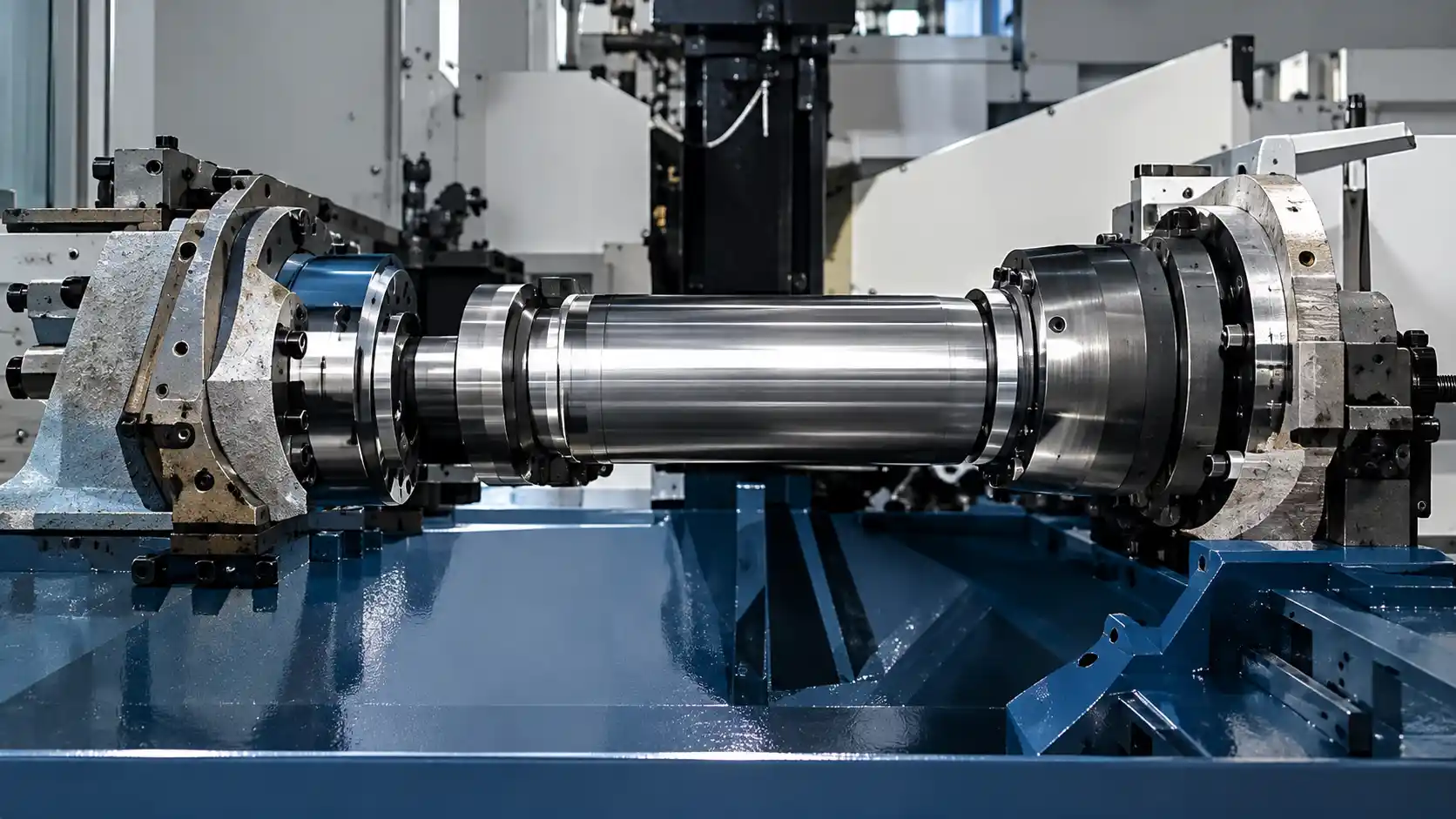
| Precision CNC machining | Bore tolerance H8; rod tolerance f7; surface finish Ra ≤ 0.4 μm | Consistent seal contact pressure; stable performance across full stroke |
| Advanced multi-lip sealing | Compound polyurethane, PTFE, and NBR seal packages; wiper seals standard | Reduced leakage risk; extended service intervals in contaminated environments |
| Custom bore and stroke design | Bore 40–320 mm; stroke up to 6,000 mm; working pressure to 350 bar | OEM drop-in compatibility without site modification |
| Hard chrome piston rod | Chrome thickness 25–40 μm; hardness HRC 58–64; polished to mirror finish | Corrosion and scratch resistance; extended seal and rod service life |
| Full hydrostatic pressure test | 1.5× rated working pressure hold test; zero tolerance for leakage | Confirmed safe operation before shipment — every unit, no exceptions |
OEM & Custom Hydraulic Cylinder Solutions
OEM & Custom Hydraulic Cylinder Solutions
Standard replacement cylinder dimensions cover the most common equipment platforms. When your application requires a non-standard configuration — or you are an OEM specifying cylinders for a new machine build — our engineering team works from your drawings or from field measurements of the existing cylinder to produce a fully matched replacement or new-design cylinder.
We supply custom hydraulic cylinders to construction machinery manufacturers, heavy equipment OEMs, and specialist vehicle builders who need a supplier capable of engineering collaboration, not just production.
- Bore Diameter: 40 mm – 320 mm
- Stroke Length: Up to 6,000 mm
- Working Pressure: Up to 350 bar
- Mounting Style: Flange, clevis, trunnion, foot
- Rod Configuration: Single / double acting
- Seal Configuration: PU, PTFE, NBR, Viton
Quality Assurance
Quality Control for Reliable Hydraulic Performance
Inspection
Inspection
Inspection
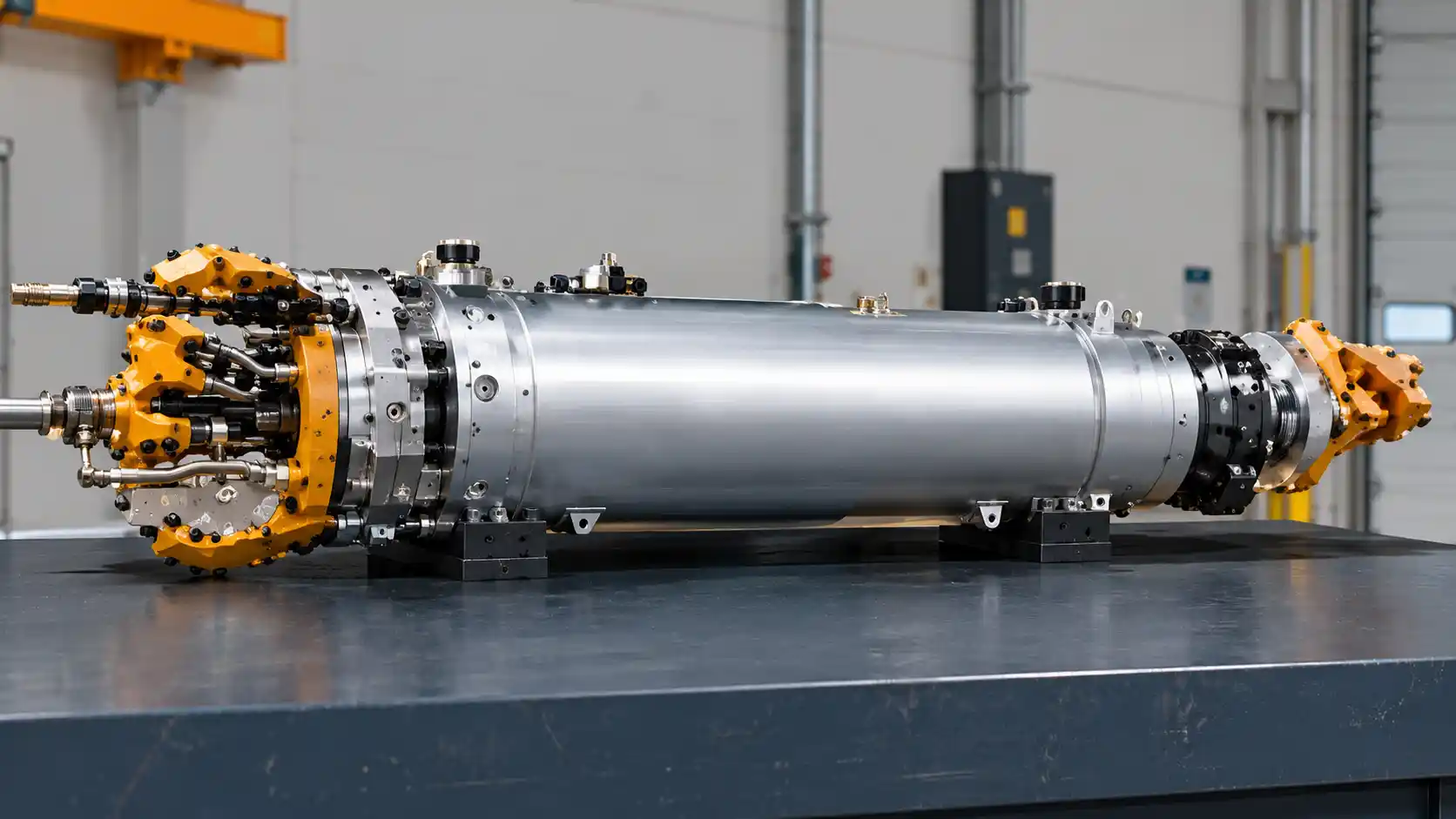
Inspection
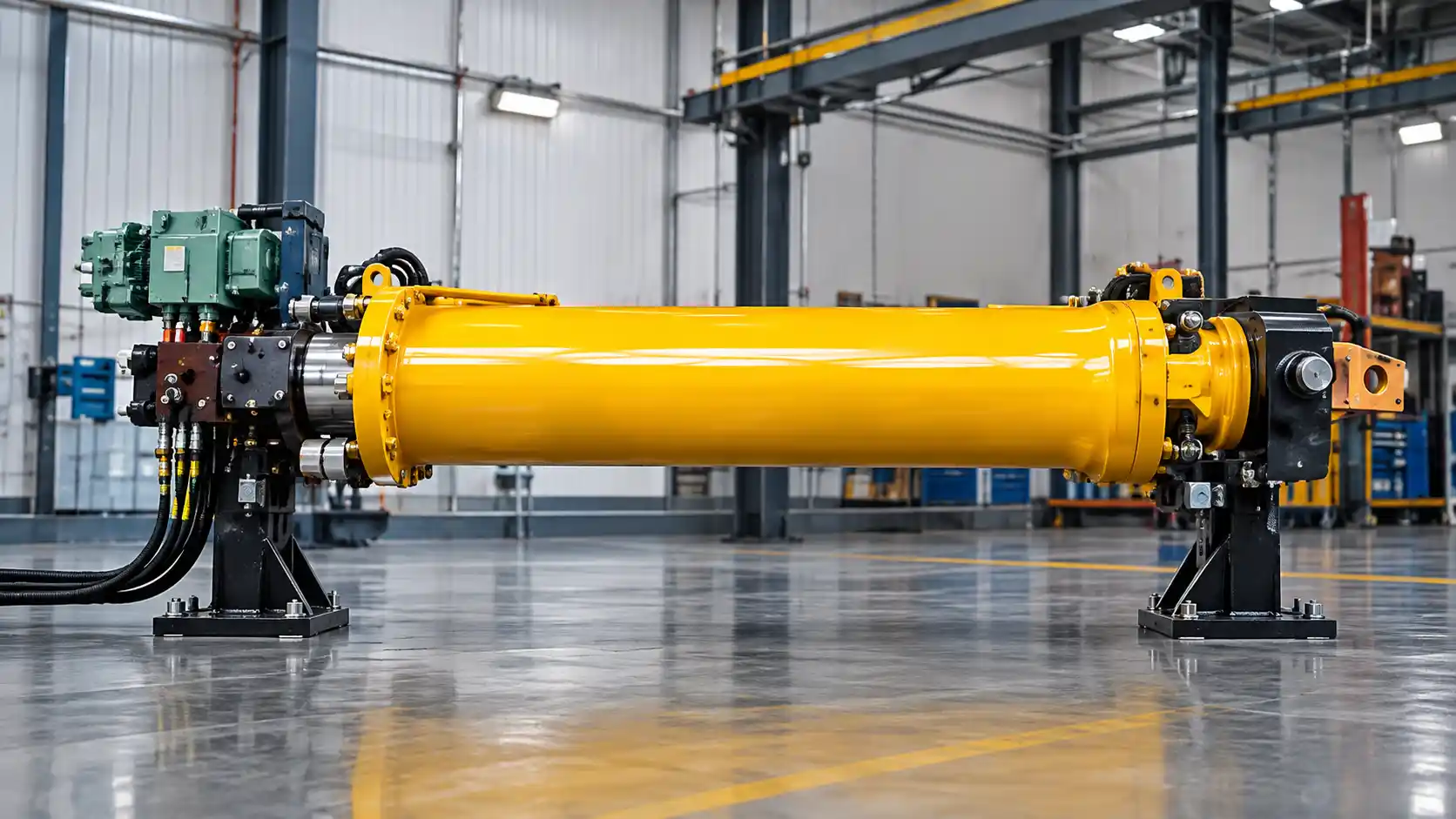
Testing
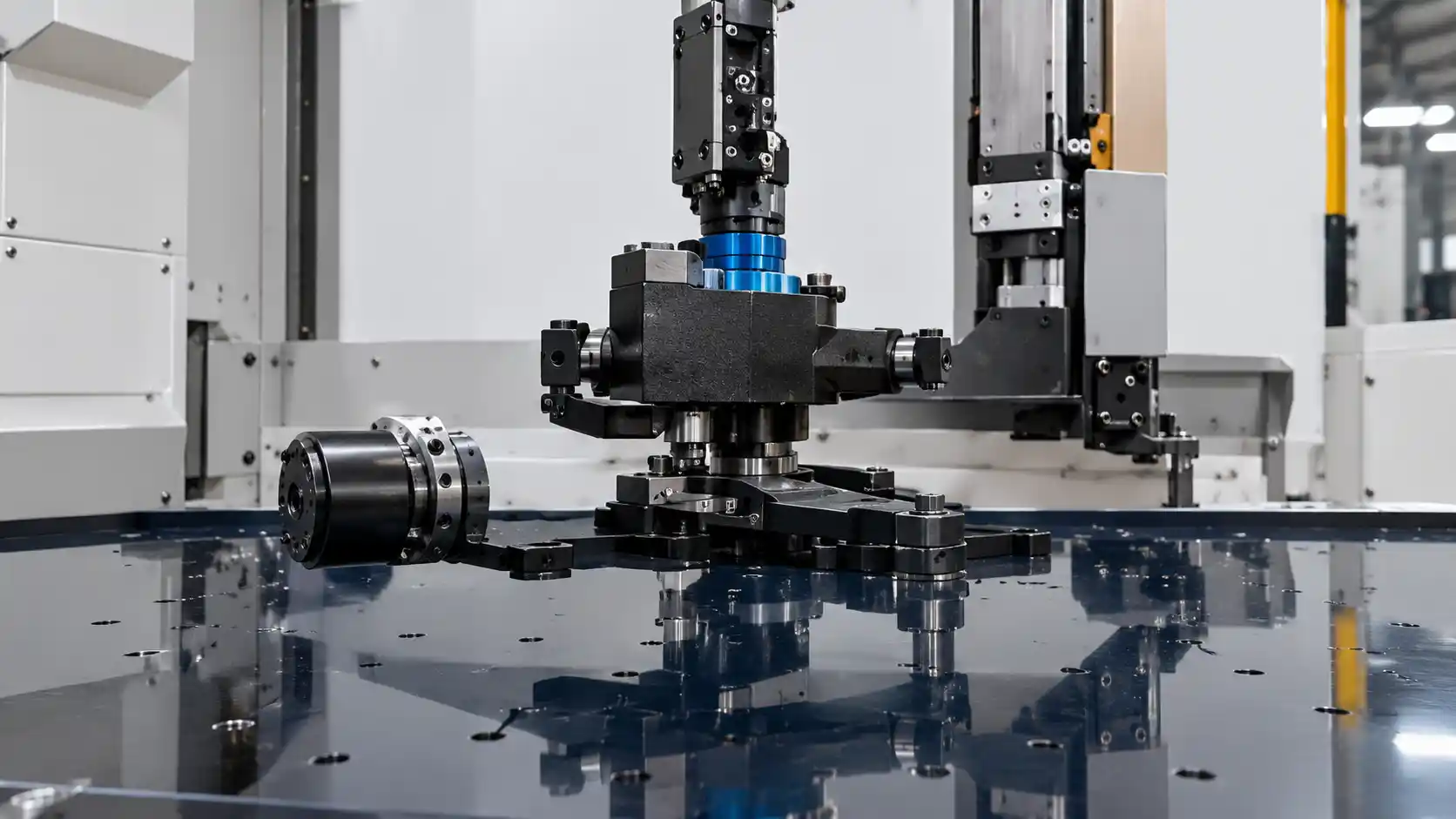
Sign-Off
Cylinder Types
Engineering Vehicle Hydraulic Cylinder Types
| Cylinder Type | Primary Application | Key Features | Typical Bore Range |
|---|---|---|---|
| Boom Lift Cylinder | Aerial work platforms, articulating booms | High stability | 50–150 mm |
| Crane Cylinder | Mobile cranes, truck-mounted cranes | Heavy load capacity | 80–250 mm |
| Crawler Crane Cylinder | Crawler cranes, heavy construction lifts | Extreme durability | 100–320 mm |
| Hook Lift Cylinder | Waste trucks, skip loaders, container vehicles | High force output | 80–200 mm |
| Forklift Cylinder | Counterbalance forklifts, reach trucks | Compact design | 40–120 mm |
Cylinder Types
Common Questions About Engineering Vehicle Hydraulic Cylinders
What is an engineering vehicle hydraulic cylinder?
An engineering vehicle hydraulic cylinder is a linear actuator that converts hydraulic fluid pressure into mechanical force and linear motion. In construction machinery, cranes, forklifts, and other engineering vehicles, hydraulic cylinders are the primary mechanism for lifting, extending, tilting, and steering. They typically consist of a precision-bored steel tube, a chromed piston rod, a piston with seals, and end caps with hydraulic ports — engineered to operate at pressures from 150 to 350 bar depending on the application.
How do I choose the right hydraulic cylinder for my equipment?
The key parameters for cylinder selection are: bore diameter (determines the force output at a given pressure), rod diameter (determines the retract force and buckling resistance under thrust loads), stroke length (the required travel), working pressure (must match the hydraulic system relief valve setting), mounting style (clevis, flange, trunnion, or foot), and rod end connection (thread, eye, or clevis). For replacement cylinders, the easiest approach is to provide us with the OEM part number or the physical dimensions of the existing cylinder — we can match or improve on the original specification.
What working pressure can your hydraulic cylinders handle?
Our standard engineering vehicle hydraulic cylinders are rated for working pressures up to 250 bar, with high-pressure designs available to 350 bar for crane and specialized construction machinery applications. Each cylinder is hydrostatic pressure-tested at 1.5 times its rated working pressure before shipment. For applications with severe pressure spikes or shock loads, we can specify burst-disc or accumulator protection and select seal compounds rated for the peak pressure conditions.
What materials are used in your hydraulic cylinders?
Cylinder tubes are manufactured from seamless cold-drawn steel in ST52.3 or 27SiMn alloy grades, selected based on working pressure and temperature requirements. Piston rods are turned from C45 or 42CrMo alloy bar, induction hardened, and hard-chrome plated to 25–40 µm thickness for corrosion and abrasion resistance. End caps and flanges are machined from EN8 or equivalent structural steel. Seals are sourced from established European and Japanese manufacturers in polyurethane, PTFE, or NBR compounds depending on the fluid type, temperature range, and cycle requirements of the application.
What causes hydraulic cylinder leakage — and how do you prevent it?
The most common causes of hydraulic cylinder leakage are rod seal wear from surface finish degradation of the chrome rod, piston seal failure from pressure spikes or incorrect seal compound selection, and weld porosity at the tube-to-end-cap joint. We address these at the design and manufacturing stage: rods are polished to Ra ≤ 0.2 µm to minimize seal wear, seal compounds are matched to the operating conditions and fluid type, and all structural welds are visually and dimensionally inspected. Our multi-lip seal packages include a dedicated wiper seal to prevent external contamination — a leading cause of premature rod seal failure in field conditions.
What equipment uses engineering vehicle hydraulic cylinders?
Engineering vehicle hydraulic cylinders are used across a wide range of heavy equipment: excavators (arm, boom, and bucket cylinders), mobile and crawler cranes (luffing, jib, and outrigger cylinders), aerial work platforms and boom lifts (elevation and extension cylinders), forklifts and reach trucks (lift and tilt cylinders), hook lift trucks and skip loaders (hook and sub-frame cylinders), and mining dump trucks (hoist cylinders). Most off-road construction and material handling equipment relies on hydraulic cylinders for primary actuation.
Can you manufacture custom hydraulic cylinders to our drawings?
Yes. We supply custom hydraulic cylinders to OEM specifications and accept customer-provided drawings in DXF, DWG, PDF, or STEP format. Our engineering team reviews the specification, identifies any design or manufacturing questions, and provides a sample for approval before series production. We can also work from a field-measured existing cylinder when no drawing is available. Minimum order quantities for custom cylinders depend on complexity and bore diameter — please contact our sales team for details.
Do you provide OEM replacement hydraulic cylinders?
Yes. We manufacture direct-fit replacement hydraulic cylinders for a wide range of construction equipment, cranes, forklifts, and agricultural machinery. Send us the OEM part number, equipment model and year, or the physical dimensions of the cylinder you need to replace — we will confirm fitment and provide a quote. OEM replacement cylinders ship with the original port thread specification and mounting dimensions, and are pressure-tested to the same standard as our new-design cylinders.
How do you test hydraulic cylinders before shipment?
Every cylinder undergoes a hydrostatic pressure test at 1.5 times its rated working pressure, held for a minimum of 3 minutes. The cylinder is inspected for any external leakage at the welds, ports, and end seals during the test. Following the pressure test, the cylinder is stroked through its full range to confirm smooth, consistent movement and correct rod seal function. A dimensional inspection confirms bore, stroke, and mounting dimensions meet the drawing specification. Test records are retained and available to customers on request.
How long does a hydraulic cylinder typically last in engineering vehicle service?
Service life depends heavily on the application, cycle frequency, system cleanliness, and maintenance quality. In well-maintained hydraulic systems with clean fluid, engineering vehicle cylinders routinely achieve 8,000–15,000+ operating hours before seal replacement is required, and structural cylinder components often outlast the machine itself. The leading factors that shorten cylinder life are contaminated hydraulic fluid (particle ingress past the wiper seal), operating beyond the rated pressure, and rod surface damage from impact or improper handling. We recommend a hydraulic fluid analysis and filter condition check as the first step in any premature cylinder failure investigation.